Eyes on the Field: Porto
A farm visit and biodiversity dinner event in the Porto region
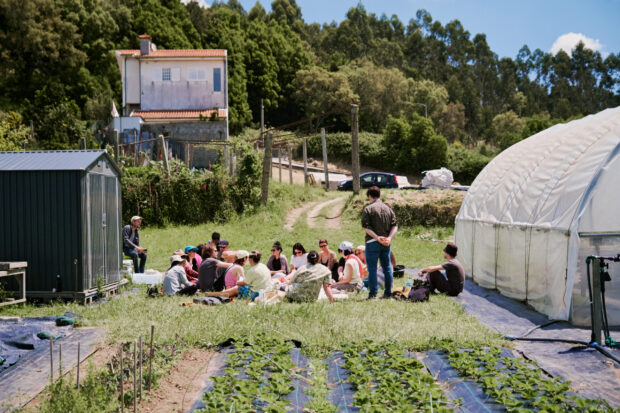
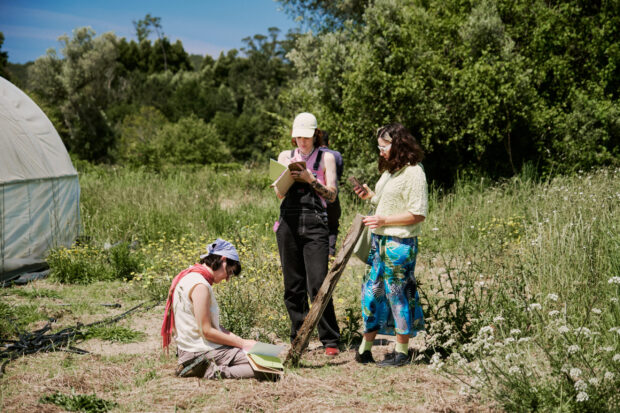
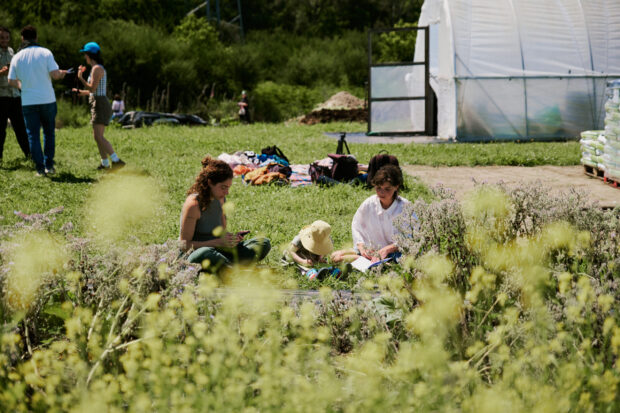
A participatory event combining species-quests and immersive dining to explore agricultural biodiversity around Porto. Participants used the BITZ digital tool to observe and identify organisms in the field, with findings transformed into a multi-sensory dinner experience at Venn Canteen. Part of the EU S+T+ARTS MUSAE project.
Event Overview
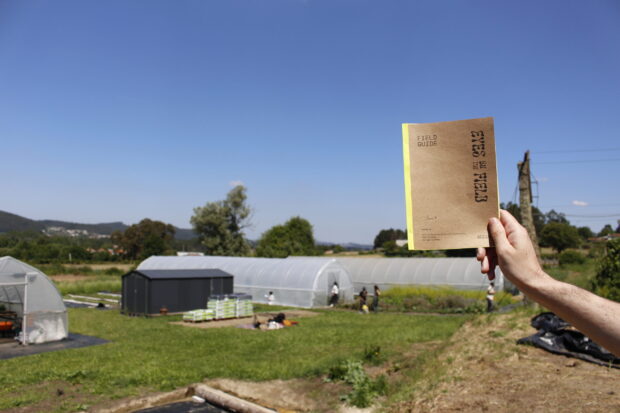
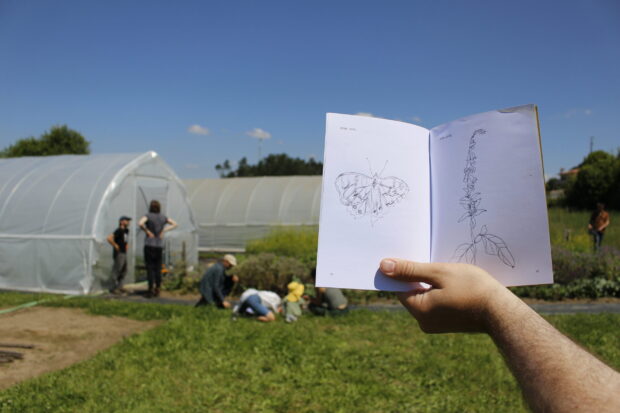
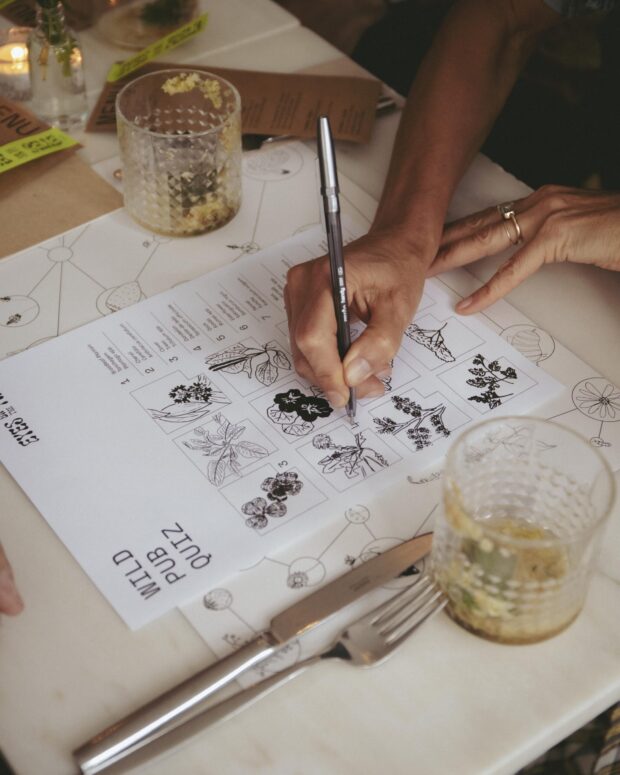
Eyes on the Field: Porto brought together farmers, artists, scientists, and curious eaters for a day of biodiversity observation and collective discovery. The event was structured around the idea that paying attention to the organisms sharing our agricultural landscapes can fundamentally change how we relate to what we eat. Participants moved through working farms in the Porto region, guided by species-quest prompts designed to surface the hidden ecological richness of transition zones between cultivated and wild land.
Species Quests in the Field
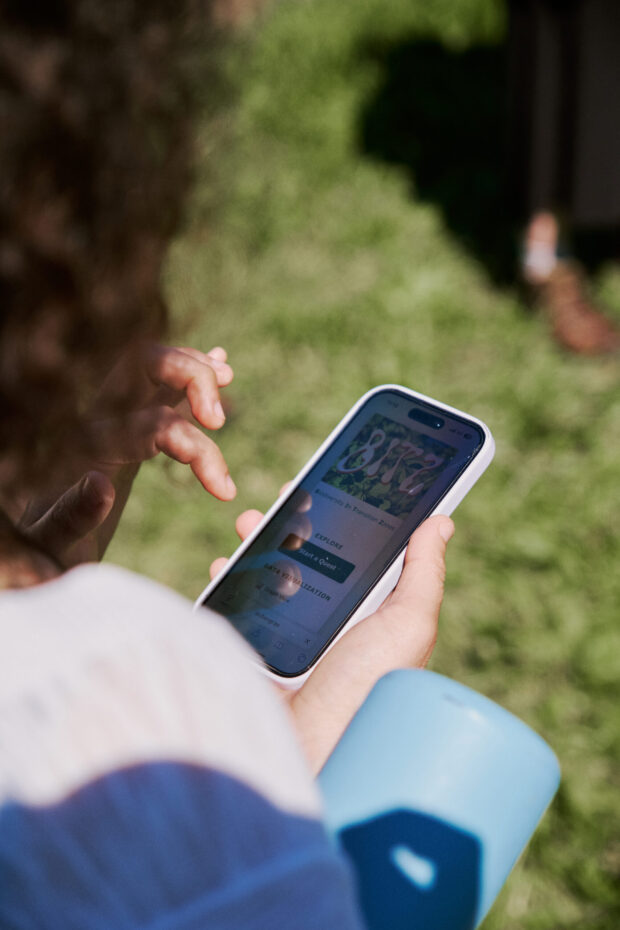
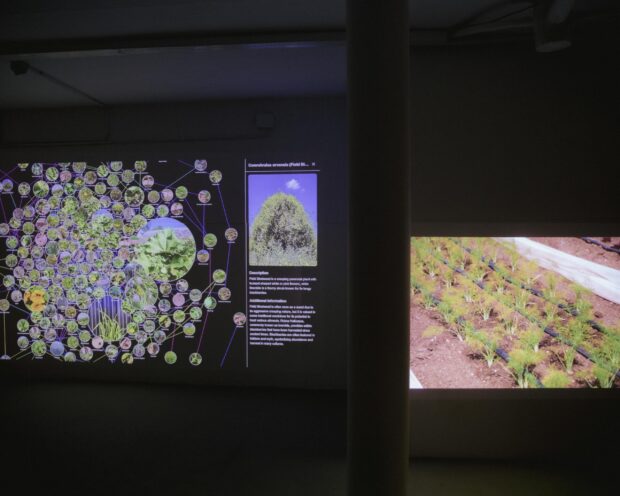
Using the BITZ digital tool, participants photographed plants, insects, fungi, and animals encountered during the farm visit. Each photo triggered species identification and opened connections to the cultural and ecological roles of that organism in the local food system. The quests were designed not just to identify species but to prompt reflection on how biodiversity supports soil health, pollination, pest control, and flavor. The collective observations built a shared live dataset of agricultural biodiversity in the Porto region.
From Field to Table
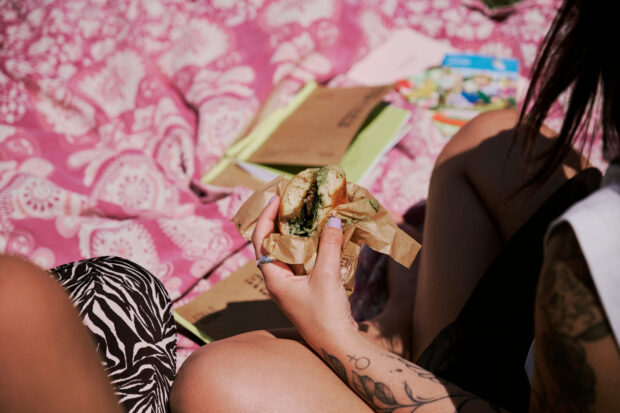
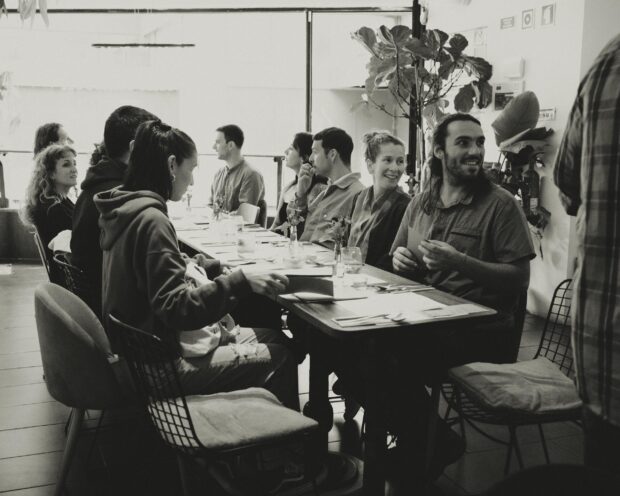
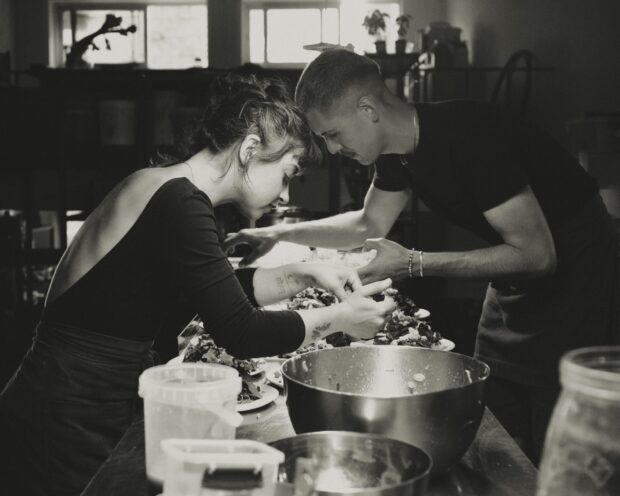
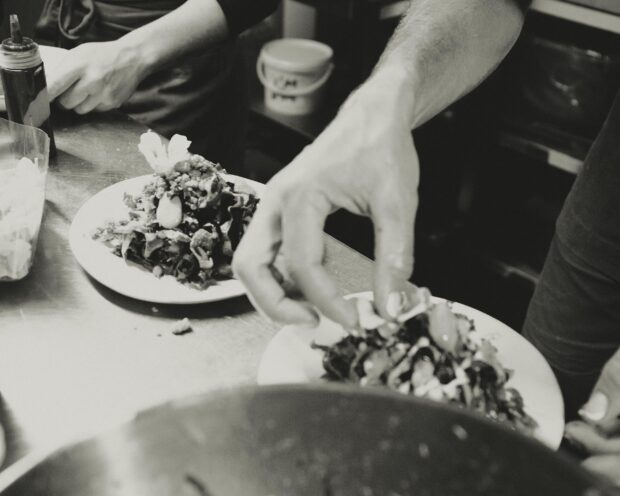
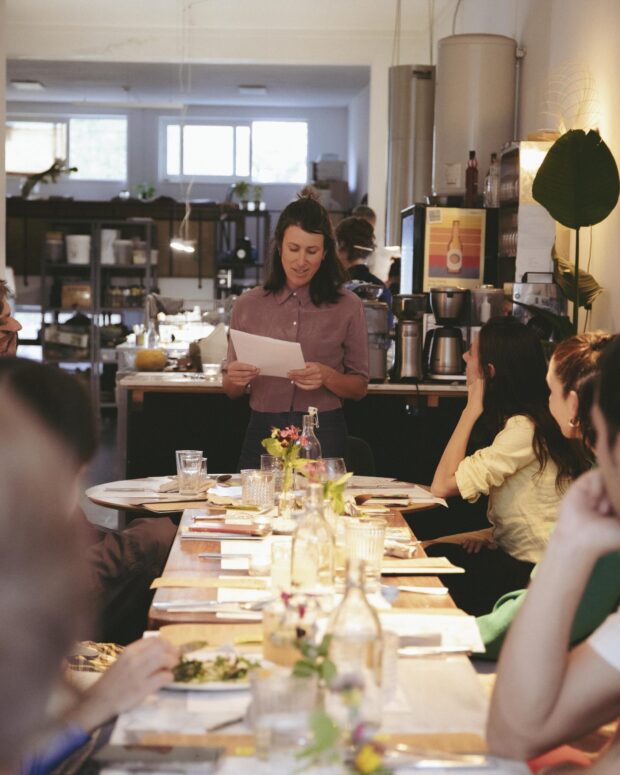
The day culminated in a multi-course dinner at Venn Canteen with chef Barney Pau, where the discoveries from the field directly shaped the menu. Each dish was built around organisms identified during the species-quests, creating a sensory bridge between environmental observation and culinary experience. Formiga Gloriosa brought their foraging and fermentation expertise to the table, grounding the dinner in the living landscape the group had spent the day exploring.
Data & Community
Beyond the event itself, the BITZ observations contributed to a growing public dataset of biodiversity in agricultural transition zones. This kind of community-generated data supports researchers, conservationists, and farmers in understanding which organisms are present, absent, or under pressure in working landscapes. Eyes on the Field demonstrated how participatory art events can double as meaningful scientific data-gathering exercises when paired with the right tools.
Collaborators & Support
Eyes on the Field: Porto was organized by Genomic Gastronomy and Nicetrails, hosted at Venn Canteen with chef Barney Pau, and supported by Formiga Gloriosa. The event was made possible by the EU S+T+ARTS MUSAE project, which supports art-science collaborations exploring the relationship between technology, ecology, and culture.